

Tau Restoration Services

Author name: jd

water leak
Mold Removal, Water Damage

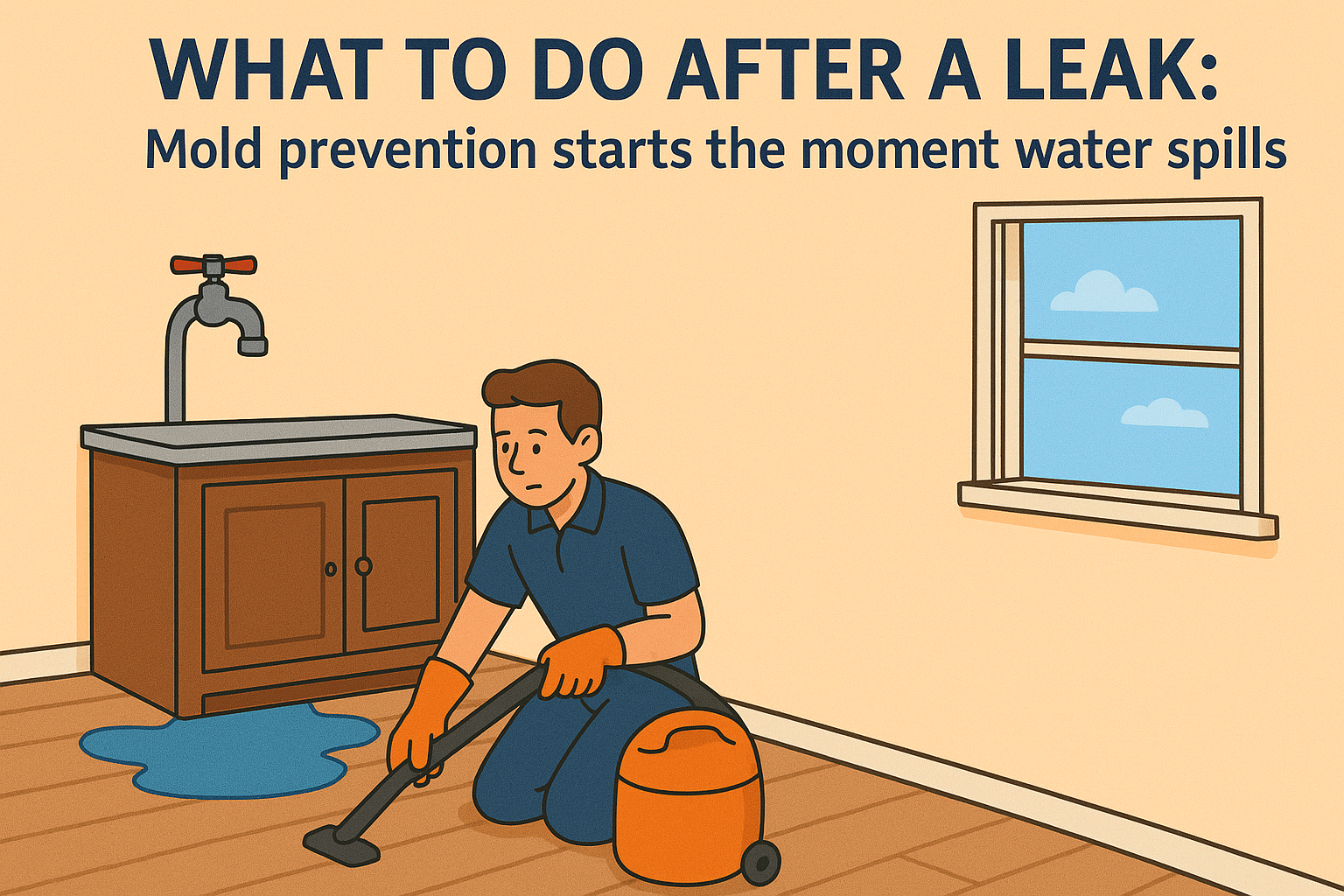
WHAT TO DO AFTER A LEAK: MOLD PREVENTION STARTS THE MOMENT WATER SPILLS

It doesn’t take long for water damage to turn into a mold problem. In fact, mold can begin to grow in as little as 24 to 48 hours after a leak occurs—especially in Florida’s humid climate. Whether it’s a burst pipe, a roof drip, or an overflowing appliance, quick action is key to mold prevention.  In this post, we’ll walk you through exactly what to do after a leak to stop mold before it starts. Why Mold Forms So Quickly After Water Damage Mold spores are everywhere—indoors and out. But they only become a problem when they have the right environment to thrive: moisture, warmth, and organic material. A leaking pipe behind drywall or standing water under flooring is all it takes to create ideal growing conditions. Add Florida’s high humidity, and the timeline accelerates. Even a seemingly small spill can lead to extensive mold growth if left unaddressed. Immediate Steps to Take For Mold Prevention When water hits your property, the clock starts ticking. Here’s what to do immediately to prevent mold from taking hold: Shut off the water source. Whether it’s a broken pipe or appliance, stop the leak at its origin. Turn off electrical power in affected areas to avoid safety hazards. Remove standing water. Use a wet/dry vacuum or towels for small leaks. For larger issues, professional water extraction may be needed. Start drying immediately. Open windows, run fans, and turn on dehumidifiers. Air movement is critical in the first 24 hours. Remove soaked materials. Carpets, baseboards, drywall, and insulation can trap moisture and fuel mold growth. Document the damage. Take photos for insurance claims and future inspections. When to Call a Professional While DIY drying may help for minor leaks, any water damage that involves hidden spaces—walls, ceilings, floors, or crawlspaces—needs professional attention. Mold likes to hide, and just because you can’t see it doesn’t mean it’s not there. Call a licensed mold remediation company if: Water has saturated drywall or flooring Odors develop within 24–48 hours You suspect mold growth already Moisture has reached insulation or subflooring You have recurring leaks or plumbing failures Professionals use moisture meters, thermal imaging, and containment strategies that aren’t available to the average homeowner. Acting early with expert help can stop a minor leak from becoming a major mold problem. Insurance May Cover Mold Prevention—If You Act Fast Homeowners insurance may cover mold remediation if it stems from a sudden, accidental event—like a burst pipe or appliance malfunction. But most policies require immediate response and exclude gradual or preventable damage. That’s why documenting the damage, contacting your insurer quickly, and calling in remediation professionals right away are essential steps if you hope to be covered. Prevention Tips for the Future Once you’ve handled the immediate leak, use the opportunity to prevent future mold issues. Here are a few long-term tips: Install leak detectors under appliances and near water heaters. Use dehumidifiers in basements, bathrooms, and laundry areas. Inspect your roof and gutters regularly for signs of wear or blockage. Check plumbing joints and shut-off valves every few months. Have your HVAC system cleaned and serviced annually. Being proactive helps reduce risk and may even lower your insurance premiums over time. Why Mold Prevention Matters in Florida Living in Central Florida means dealing with regular rainstorms, high humidity, and occasional hurricanes. All of these factors increase the likelihood of water intrusion and the speed at which mold can grow. At TAU Restoration, we’ve seen firsthand how fast a small leak can become a big problem. Mold doesn’t just threaten your property—it can affect your family’s health, your home’s value, and your peace of mind. Final Thoughts: Don’t Wait to Take Action If water has entered your home, mold prevention must start immediately. Don’t assume you can wait and “see what happens.” The right move is to act fast, dry fast, and if needed—call in the professionals. We’re here to help you every step of the way, from leak response to mold inspections and full remediation. Whether you’re dealing with a fresh incident or lingering concerns from a past leak, TAU Restoration is ready to get your home back on solid ground. Contact us today for an inspection or consultation. RESTORE YOUR PROPERTY We specialize in restoring both homes and businesses, employing expertise and dedication to help restore your property to its pre-disaster condition. If you’re in need of Mold Removal in Altamonte Springs, contact us today. We’re here to help! 1. Call Now We operate 24/7 and will answer your call day or night. We promise to arrive to any emergency as quickly as possible. 2. Work With Our Team Our certified professionals will take care of your immediate needs by explaining the process and answering any questions you may have. 3. Restore Your Property We will then begin the restoration process and keep you informed every step of the way. Call Now! (800) 385-1682
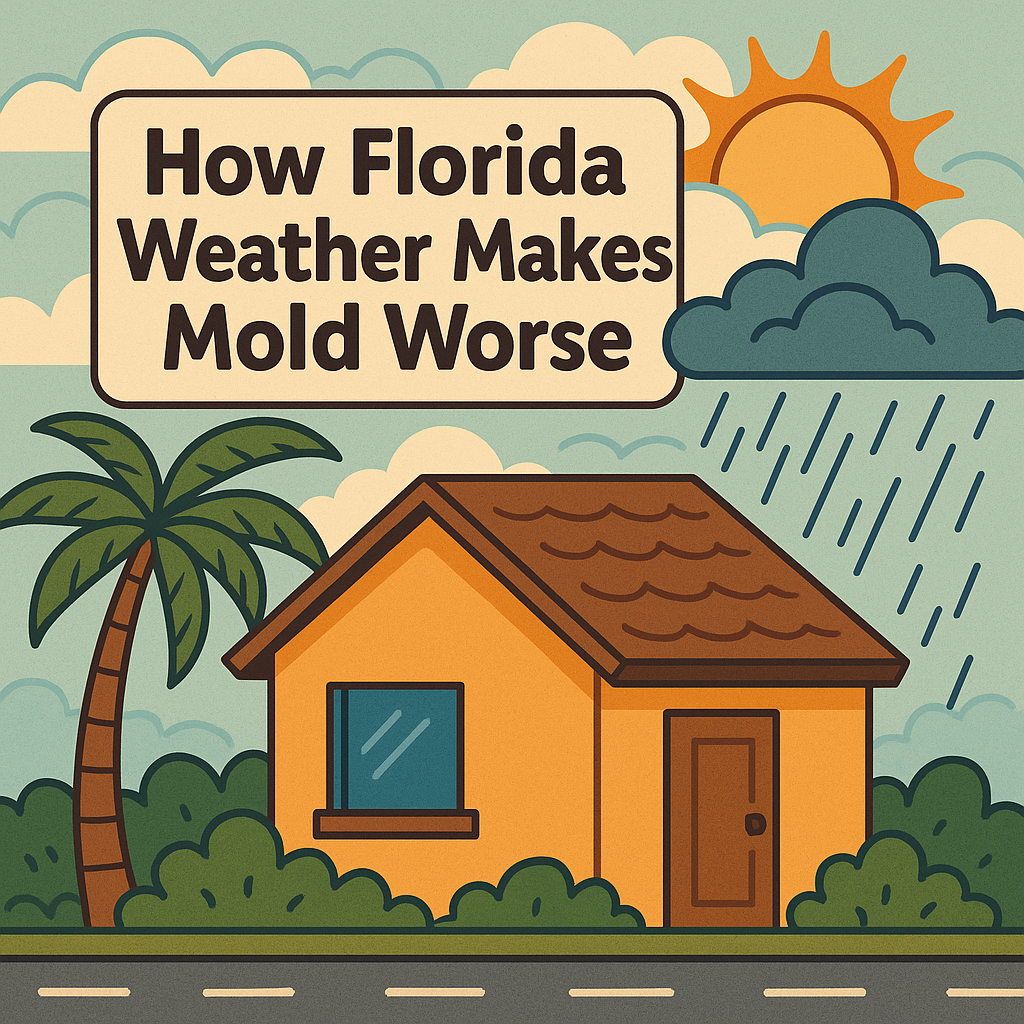
alt= "florida humidity and mold"
Mold Removal

How Florida Weather Makes Mold Worse

If you live in the Sunshine State, you’ve likely dealt with mold—or at least heard horror stories from neighbors who have. Florida’s tropical climate is a breeding ground for mold, and the link between Florida humidity and mold is no coincidence. Understanding how the environment contributes to mold growth is the first step toward protecting your home, your health, and your wallet. Let’s explore why Florida’s weather is such a mold magnet and what you can do to stay ahead of the problem. Why Florida Humidity Supercharges Mold Growth Mold thrives in moist, warm environments—exactly what Florida delivers most of the year. But the issue isn’t just the occasional rainstorm. It’s the ongoing, high levels of ambient humidity that keep surfaces damp, even when there’s no visible water. High humidity: Florida often has relative humidity levels above 70%, especially in summer. Mold only needs 60% to grow. Warm temperatures: Most molds grow best between 77°F and 86°F, which overlaps perfectly with Florida’s year-round climate. Frequent storms: Tropical rains, hurricanes, and flooding events introduce sudden and severe moisture intrusions into buildings. The combination of these elements makes Florida humidity and mold a persistent concern for homeowners and business owners alike. How Mold Sneaks Into Your Home Even in newer or well-maintained properties, mold can begin to form in hidden places long before it becomes noticeable. HVAC systems, attics, crawl spaces, and behind drywall are all frequent hiding spots. If you’ve ever walked into a home and smelled that musty odor, you’ve likely encountered a mold problem already in progress. Common pathways include: Moisture buildup in HVAC ducts Roof or window leaks during summer storms Improperly sealed doors or windows allowing humidity inside Poor ventilation in bathrooms, laundry rooms, or kitchens And here’s the kicker—once mold starts to grow, it can spread quickly and silently. The Health and Financial Risks of Ignoring Mold The cost of ignoring a mold problem isn’t just structural—it can affect your health and finances as well. In Florida, where homes are constantly battling high humidity, small mold colonies can become large infestations without much warning. Health risks include: Respiratory issues such as coughing, wheezing, and shortness of breath Allergic reactions and skin irritation Compounded effects for people with asthma or compromised immune systems Financial risks include: Declining property value Insurance issues (some policies don’t fully cover mold) Costly remediation projects that could have been avoided with early detection When to Call in the Experts Sometimes, despite your best efforts, mold can still take hold. That’s when it’s time to call professionals like TAU Restoration. We specialize in mold detection, remediation, and prevention strategies tailored to Florida’s unique climate. If you’re concerned about Florida humidity and mold in your home, don’t wait for the problem to get worse. We offer: Thermal imaging and moisture mapping Mold inspections Microbial cleanings Full-scale mold removal Final Thoughts: Stay One Step Ahead of Mold Living in Florida means living with humidity—but it doesn’t mean you have to live with mold. With a proactive approach, routine inspections, and good indoor moisture control, you can greatly reduce the risks. Understanding the relationship between Florida humidity and mold is the first step in protecting your home and health from long-term damage. And if you ever need a second opinion or expert help, TAU Restoration is just a phone call away. RESTORE YOUR PROPERTY We specialize in restoring both homes and businesses, employing expertise and dedication to help restore your property to its pre-disaster condition. If you’re in need of Mold Removal in Altamonte Springs, contact us today. We’re here to help! 1. Call Now We operate 24/7 and will answer your call day or night. We promise to arrive to any emergency as quickly as possible. 2. Work With Our Team Our certified professionals will take care of your immediate needs by explaining the process and answering any questions you may have. 3. Restore Your Property We will then begin the restoration process and keep you informed every step of the way. Call Now! (800) 385-1682
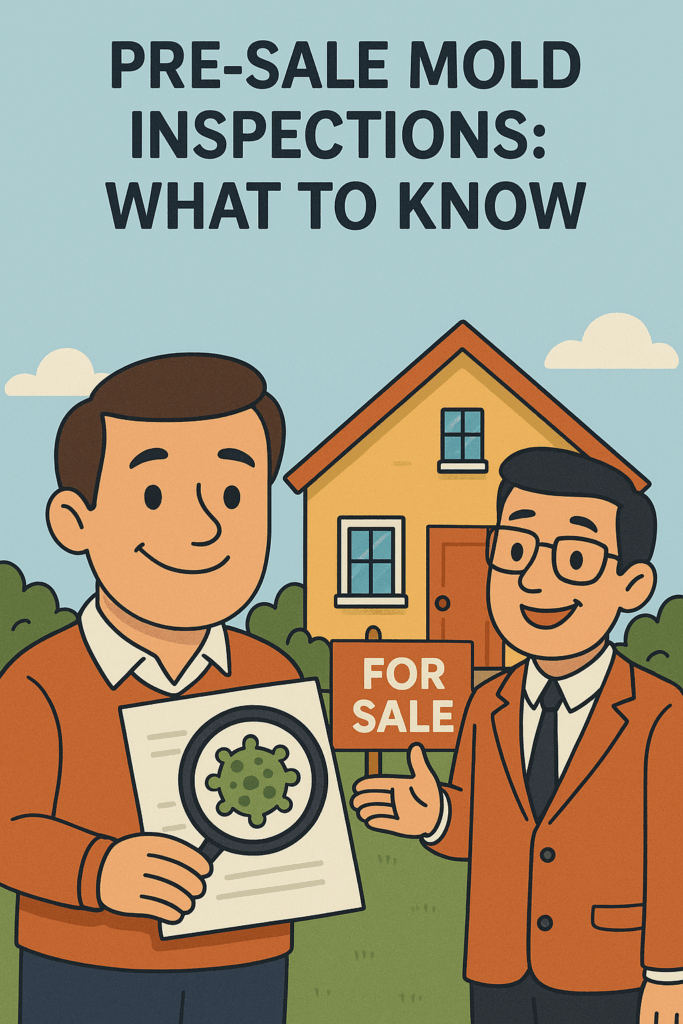
alt: “pre-sale mold inspections"
Mold Removal

PRE-SALE MOLD INSPECTIONS: WHAT TO KNOW

Selling Your Home? Why a Mold Inspection Could Make or Break the Sale Preparing to sell your home is no small task. From staging and repairs to curb appeal, every detail matters. But one crucial step many homeowners overlook is a pre-sale mold inspection. In Central Florida’s market, mold can turn a dream sale into a nightmare — derailing deals, raising legal liabilities, and leaving sellers scrambling to regain control. Here’s why a pre-sale mold inspection is your secret weapon in a smooth, profitable home sale. Stay in Control of the Negotiation Nothing undermines your leverage like a buyer discovering mold during their own inspection. Suddenly, your carefully planned sale is at risk. Buyers might: Demand steep price reductions Delay closing to await remediation Walk away altogether, leaving your home stigmatized By getting a pre-sale mold inspection first, you flip the script. You control the narrative — identifying any mold issues upfront and taking proactive steps to remediate before the buyer even steps inside. This not only preserves your home’s value but positions you as a responsible, transparent seller. Avoid Last-Minute Deal Breakers Picture this: your home is under contract, and you’re packing boxes. The buyer’s inspector finds mold. Suddenly, the deal is on hold. The buyer panics, demands repairs, or worse — backs out completely. Now you’re stuck with a tarnished property and the possibility of starting from scratch. A pre-sale mold inspection helps you avoid this scenario. It ensures any issues are addressed early, so they don’t pop up as a nasty surprise later. Think of it as an insurance policy against deal-breakers. Reduce Legal Liability Mold isn’t just unsightly — it’s a potential health hazard. If you sell your home without disclosing known mold problems, you could face costly legal trouble down the road. Lawsuits for non-disclosure can drain your time, money, and energy — even if you genuinely didn’t know about the mold. A pre-sale mold inspection offers documented proof that you took steps to ensure a safe, habitable environment. This reduces your liability and gives buyers peace of mind. In some states, it can even protect you from certain disclosure-related lawsuits. Boost Buyer Confidence and Increase Value Today’s buyers are savvy — they know to ask about mold. When you can hand them a clean inspection report, it sends a powerful message: this home has been cared for. This builds trust and can even boost your home’s value. Even if the inspection finds mold, addressing it early shows buyers you’re serious about maintenance and safety. A remediated mold issue, properly documented, can be a selling point rather than a deal-breaker. Steps to Take Schedule a Professional Mold InspectionChoose a reputable inspector certified in mold assessment. They’ll evaluate all potential problem areas, including basements, attics, crawl spaces, and HVAC systems. Review the Report ThoroughlyIf mold is detected, don’t panic. We are a qualified mold remediation company equipped to handle the problem professionally and thoroughly. Give us a call. Keep DocumentationSave copies of the inspection report and any remediation invoices. These will be valuable during negotiations, showing buyers you’ve been proactive and transparent. OVER TO YOU… Selling your home can be an emotional roller coaster. But with a pre-sale mold inspection, you can avoid last-minute surprises, keep your transaction on track, and present your home with confidence. Don’t let mold derail your plans — take control of your sale and protect your investment. RESTORE YOUR PROPERTY We specialize in restoring both homes and businesses, employing expertise and dedication to help restore your property to its pre-disaster condition. If you’re in need of Mold Removal in Altamonte Springs, contact us today. We’re here to help! 1. Call Now We operate 24/7 and will answer your call day or night. We promise to arrive to any emergency as quickly as possible. 2. Work With Our Team Our certified professionals will take care of your immediate needs by explaining the process and answering any questions you may have. 3. Restore Your Property We will then begin the restoration process and keep you informed every step of the way. Call Now! (800) 385-1682
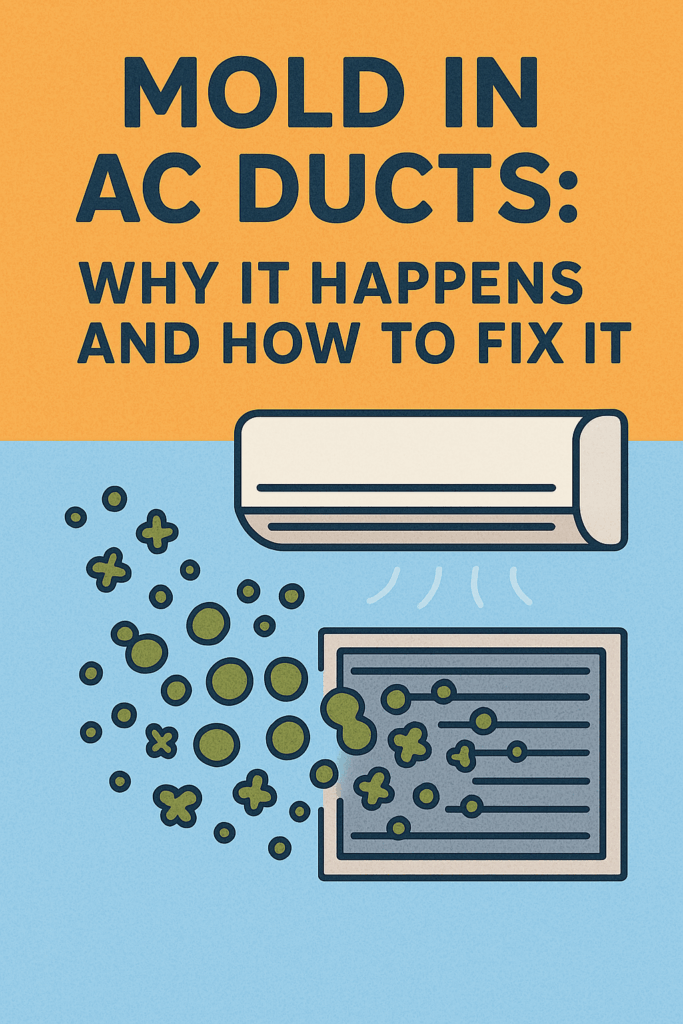
alt="flood damage vs. water damage"
Water Damage

FLOOD DAMAGE VS. WATER DAMAGE: WHATS THE DIFFERENCE?

Lorem ipsum dolor sit amet, consectetur adipiscing elit. Ut elit tellus, luctus nec ullamcorper mattis, pulvinar dapibus leo. Lorem ipsum dolor sit amet, consectetur adipiscing elit. Ut elit tellus, luctus nec ullamcorper mattis, pulvinar dapibus leo. Lorem ipsum dolor sit amet, consectetur adipiscing elit. Ut elit tellus, luctus nec ullamcorper mattis, pulvinar dapibus leo. Lorem ipsum dolor sit amet, consectetur adipiscing elit. Ut elit tellus, luctus nec ullamcorper mattis, pulvinar dapibus leo. Lorem ipsum dolor sit amet, consectetur adipiscing elit. Ut elit tellus, luctus nec ullamcorper mattis, pulvinar dapibus leo. RESTORE YOUR PROPERTY We specialize in restoring both homes and businesses, employing expertise and dedication to help restore your property to its pre-disaster condition. If you’re in need of Mold Removal in Altamonte Springs, contact us today. We’re here to help! 1. Call Now We operate 24/7 and will answer your call day or night. We promise to arrive to any emergency as quickly as possible. 2. Work With Our Team Our certified professionals will take care of your immediate needs by explaining the process and answering any questions you may have. 3. Restore Your Property We will then begin the restoration process and keep you informed every step of the way. Call Now! (800) 385-1682
alt= "water damage from appliances"
Water Damage

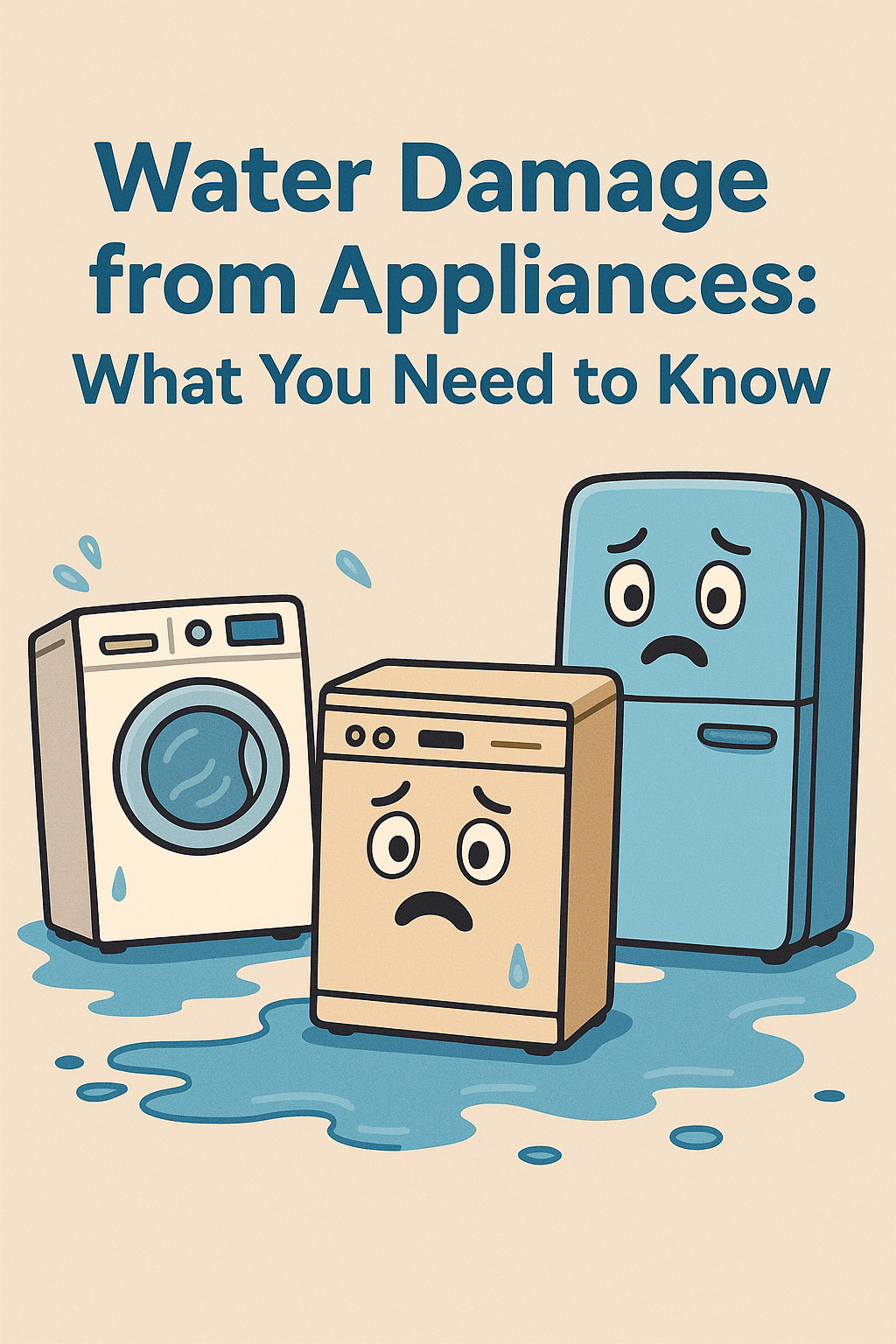
WATER DAMAGE FROM APPLIANCES: WHAT YOU NEED TO KNOW

Water damage isn’t always caused by storms or floods. In fact, some of the most common sources are right inside your home—appliances. Washing machines, dishwashers, and refrigerators can all lead to costly water damage if not properly maintained. Understanding how and why these appliances fail can help homeowners avoid unexpected repair bills and potential mold issues. Why Appliance Leaks Are So Common Appliances are convenient, but they are also complex machines with multiple water connections, moving parts, and electronic systems. Over time, wear and tear can degrade hoses, seals, and fittings. Because most appliances are tucked away in corners, closets, or under counters, small leaks can go unnoticed until significant damage has occurred. Regular inspections and preventive maintenance are key. Washing Machines: High Risk for Leaks Washing machines, especially those in upper floors or tight spaces, are notorious for causing water damage. The most common causes include: Cracked or deteriorated hoses Loose or improperly connected water supply lines Drain line blockages causing overflow Unbalanced loads leading to excessive vibration and movement To reduce risk, check hoses every six months and replace them every 3-5 years with braided stainless steel hoses. Also, never overload the machine and ensure it sits level on the floor. Dishwashers: Hidden Leaks and Drainage Issues Because they are built into cabinetry, dishwasher leaks often go unnoticed until water has saturated the surrounding floor and baseboards. Problems typically arise from: Failed door seals Loose or disconnected drain hoses Clogs in the drainage system Cracks in the tub or pump housing Watch for warped flooring near the appliance, musty odors, or water under the sink. These are telltale signs of a leak. Refrigerators: Ice Makers and Water Lines Modern refrigerators with ice makers or water dispensers rely on a constant water connection. These lines are often made from plastic tubing that can degrade over time or be damaged if the fridge is moved. Common risks include: Kinked or cracked water supply lines Poorly installed or deteriorated compression fittings Slow leaks that pool beneath the unit unnoticed Pull the refrigerator out a few times a year to check for signs of moisture or mold, and always use a copper or braided line when replacing the supply tubing. How to Inspect and Maintain A quick visual check every month, even if everything looks fine, can prevent long-term damage. Here’s what to look for: Hoses that are brittle, bulging, or corroded Pooled water or damp spots near appliance bases Mold, mildew, or a musty smell Drip pans (especially under refrigerators) that are full or rusted Also, consider installing water alarms or automatic shutoff valves to add an extra layer of protection, ensuring you’re prepared for any unexpected leaks or malfunctions. When to Call a Professional If you notice water damage such as discoloration, soft flooring, or mold growth, don’t wait. A professional inspection can determine the extent of the issue and help you prevent further damage. Mold, in particular, can develop within 24 to 48 hours after a leak begins, so quick action is critical. Final Thoughts Appliance-related water damage is preventable with awareness and simple maintenance. Take time each season to check your washing machine, dishwasher, and refrigerator for any early signs of wear or leakage. A few minutes now can save you thousands later. RESTORE YOUR PROPERTY We specialize in restoring both homes and businesses, employing expertise and dedication to help restore your property to its pre-disaster condition. If you’re in need of Mold Removal in Altamonte Springs, contact us today. We’re here to help! 1. Call Now We operate 24/7 and will answer your call day or night. We promise to arrive to any emergency as quickly as possible. 2. Work With Our Team Our certified professionals will take care of your immediate needs by explaining the process and answering any questions you may have. 3. Restore Your Property We will then begin the restoration process and keep you informed every step of the way. Call Now! (800) 385-1682
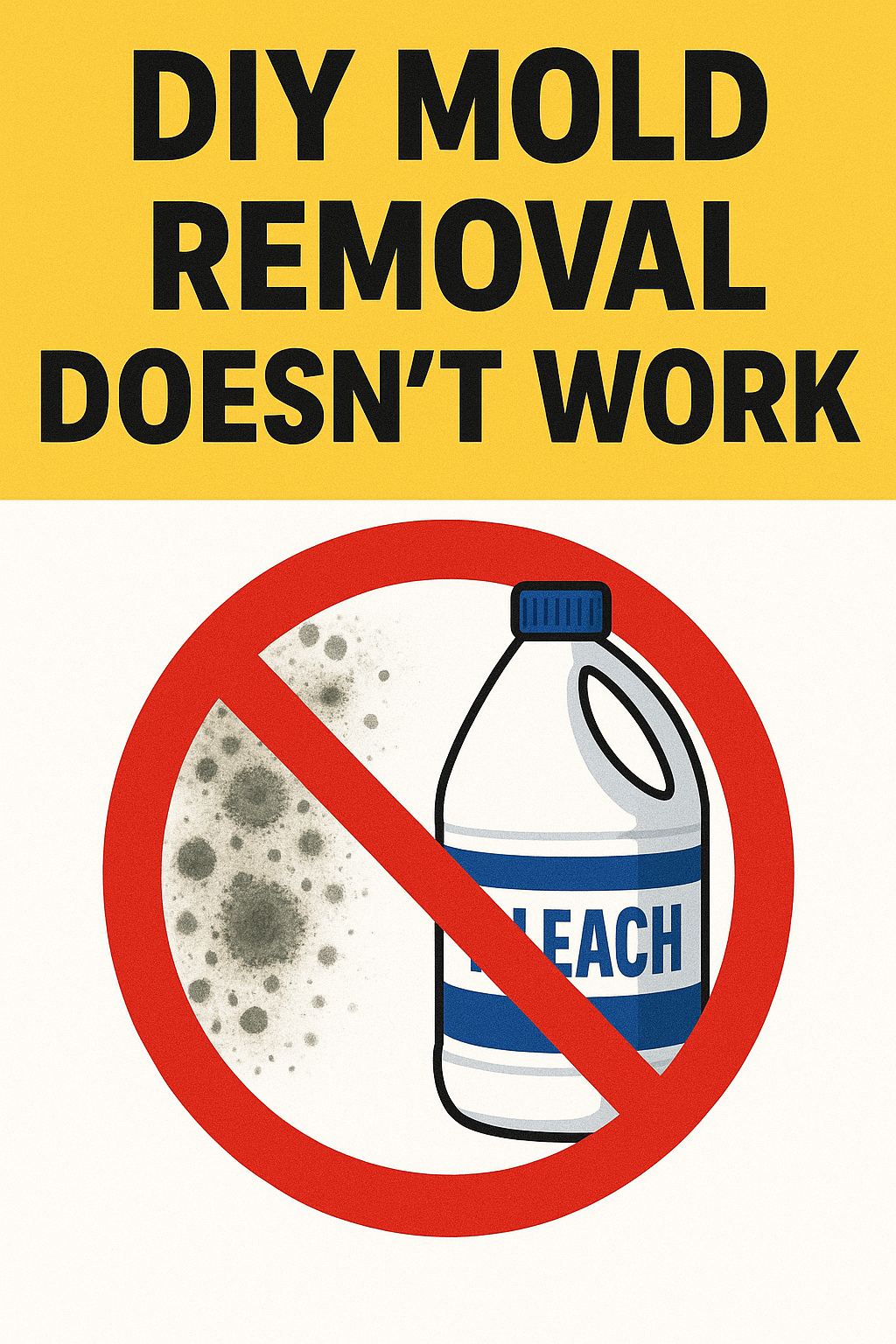
alt= "DIY mold removal"
Mold Removal

DIY MOLD REMOVAL DOESN’T WORK!

Why DIY Mold Removal Can Be Dangerous Mold is more than just an unsightly nuisance in your home. It’s a health hazard and a potential sign of deeper structural issues. While the temptation to remove mold yourself might seem like a cost-saving move, DIY mold removal can actually lead to more serious problems if not handled correctly. In this post, we’ll explore the hidden dangers of attempting mold remediation without professional help and why expert intervention is often the safest, most effective solution. Mold: A Hidden and Persistent Threat Mold often grows in dark, damp areas where it’s not immediately visible. Bathrooms, basements, attics, and behind walls are common hotspots. What you see on the surface might only be a small part of the problem. Mold roots, or hyphae, can penetrate porous materials like drywall, insulation, and wood. Simply scrubbing the surface doesn’t address this hidden growth. DIY efforts frequently result in an incomplete job. Without the right tools and knowledge, it’s easy to overlook deeper infestations. Left unchecked, mold continues to spread, feeding on moisture and organic materials, eventually damaging structural components of your home and impacting indoor air quality. The Risk of Spreading Mold Spores One of the biggest dangers of improper mold removal is the unintentional spread of spores. Mold reproduces through microscopic spores that become airborne when disturbed. If you’re scrubbing or cutting into moldy materials without containment strategies, you can easily distribute spores throughout your home. Once airborne, these spores can: Land in new areas and begin growing Enter HVAC systems and circulate throughout the house Trigger allergic reactions, respiratory issues, and other health concerns Professional mold remediation specialists use advanced containment procedures, including negative air pressure and HEPA filtration, to ensure spores aren’t dispersed during the cleaning process. Inadequate Protective Measures Many DIYers underestimate the protective gear necessary for safe mold removal. Gloves and a dust mask aren’t enough. Exposure to mold—especially black mold—requires: Respirators with HEPA filters Disposable coveralls Goggles and gloves Proper disposal protocols for contaminated materials Improper protection can lead to direct exposure to toxic spores and mycotoxins, resulting in skin irritation, sinus problems, chronic coughing, and in severe cases, more serious respiratory or neurological conditions. Missing the Root Cause Mold is a symptom of a larger issue: moisture intrusion. Whether it’s a leaking roof, plumbing issue, or high indoor humidity, failing to address the underlying cause means the mold will return. DIY removers often treat the visible signs but miss the moisture problem altogether. Professionals, on the other hand, conduct thorough inspections to trace moisture sources, recommend repairs, and implement drying solutions that ensure long-term results. What Can Go Wrong: Common DIY Mistakes Here’s a bullet list of typical mistakes homeowners make when attempting mold removal themselves: Using bleach, which doesn’t penetrate porous surfaces and can worsen moisture problems Failing to isolate the affected area, leading to airborne contamination Removing contaminated materials without sealing or disposing of them properly Not using a moisture meter to confirm the area is dry Overlooking mold growth behind walls or in HVAC systems These missteps can turn a manageable situation into a costly remediation job. Why Professional Mold Remediation Matters Mold remediation companies follow established industry protocols to ensure thorough, safe removal. They bring: Experience in identifying mold types and extent of contamination Equipment to detect hidden mold and moisture Containment systems to prevent cross-contamination Post-remediation testing to verify that mold has been successfully removed Ultimately, they save you time, protect your health, and reduce the chance of recurring issues. When to Call in the Experts If you see more than a few small spots of mold or smell a persistent musty odor, it’s time to consult a professional. Likewise, if mold is in HVAC systems, covers more than 10 square feet, or you have health concerns, don’t take the risk of handling it alone. At TAU, we specialize in comprehensive mold inspections and safe remediation. Our certified team ensures your home is clean, safe, and mold-free—so you can breathe easy. Contact TAU today to schedule a mold inspection or speak with one of our experts about your concerns. RESTORE YOUR PROPERTY We specialize in restoring both homes and businesses, employing expertise and dedication to help restore your property to its pre-disaster condition. If you’re in need of Mold Removal in Altamonte Springs, contact us today. We’re here to help! 1. Call Now We operate 24/7 and will answer your call day or night. We promise to arrive to any emergency as quickly as possible. 2. Work With Our Team Our certified professionals will take care of your immediate needs by explaining the process and answering any questions you may have. 3. Restore Your Property We will then begin the restoration process and keep you informed every step of the way. Call Now! (800) 385-1682
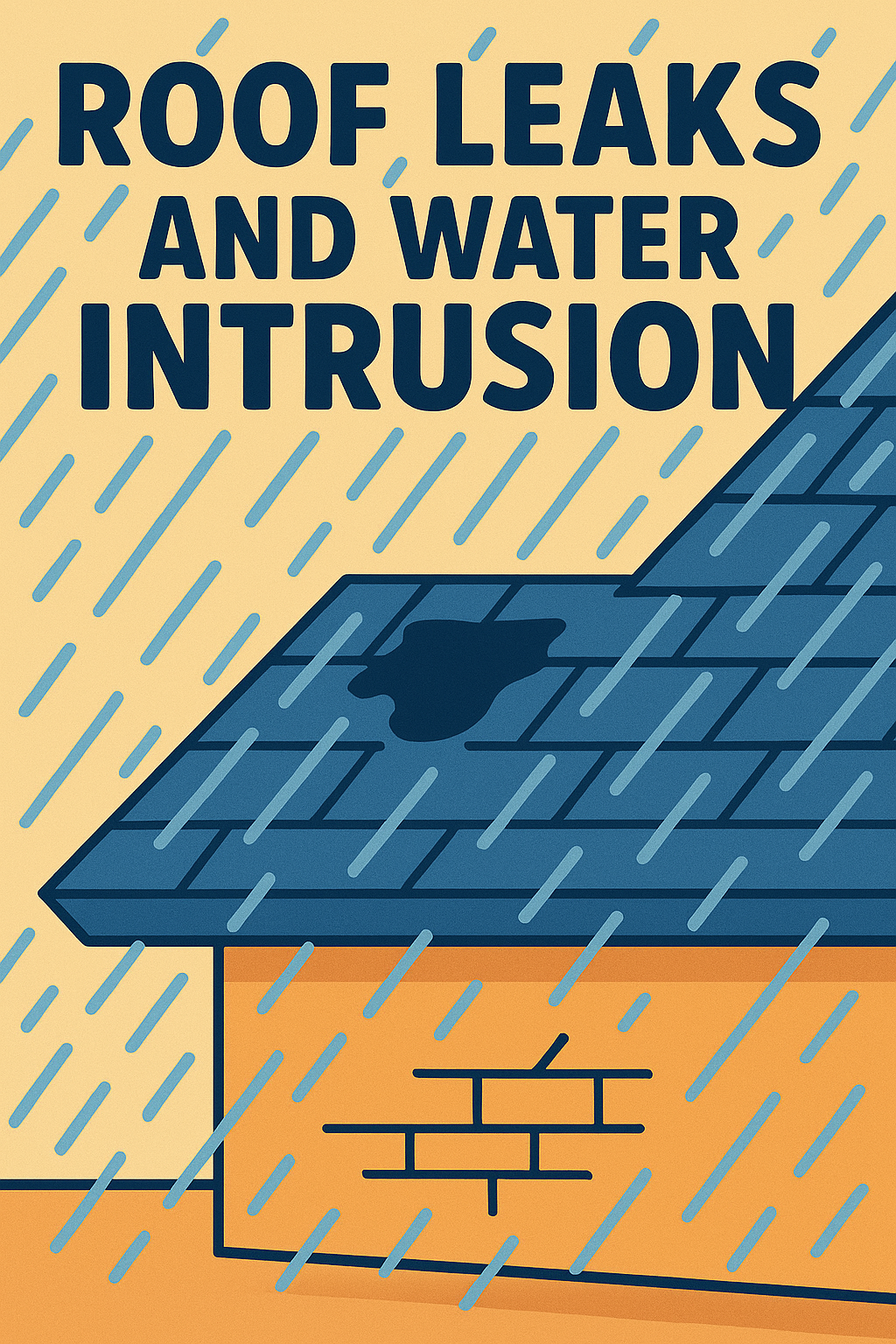
alt= "roof leaks and water intrusion"
Water Damage

ROOF LEAKS AND WATER INTRUSION

Water damage is one of the most destructive issues a property owner can face, and few sources of water intrusion are as deceptive and dangerous as roof leaks. When water begins to drip through your indoor ceiling, it often signals a much larger problem lurking above.  Roof water intrusion isn’t just about a little rain sneaking past the shingles—it’s a red flag that water has already pooled in your attic and is likely causing structural damage and mold growth. The Hidden Threat Above Your Ceiling The attic is typically the first stop for water after it penetrates your roofing system. Most people don’t notice a roof leak until it becomes visible on the ceiling inside the home, but by the time it reaches that point, the damage is no longer minor. Insulation, wooden framing, drywall, and electrical components may all have already been exposed to moisture for days or even weeks. In fact, if you see water stains or active dripping indoors, there’s a strong chance that mold is already developing in your attic. Mold can begin to grow within 24 to 48 hours of water exposure, and once established, it spreads quickly through porous materials. Signs You Have a Roof Leak Keep an eye out for the following warning signs of roof water intrusion: Discoloration on your ceiling or walls Peeling paint or bubbling drywall Musty odors in your attic or upper floors Visible mold growth or dark staining on attic beams Dripping water during or after a storm Increased humidity in the upper levels of your home Even if these signs are subtle, they should never be ignored. Delayed action can lead to escalating problems, including structural deterioration, compromised insulation, electrical fire risks, and widespread mold contamination. Why Mold Is a Serious Concern When roof leaks go unnoticed or are allowed to continue, they create the perfect environment for mold growth. Mold thrives in warm, dark, and moist environments—exactly what your attic becomes after a roof leak. The danger here is twofold: Health risks: Mold spores can aggravate asthma, trigger allergic reactions, and in some cases lead to more serious respiratory issues, especially for children, the elderly, or anyone with compromised immune systems. Property damage: Mold weakens wood structures and can destroy drywall, insulation, and even HVAC components. Remediation becomes more expensive the longer the problem goes untreated. Steps to Take Immediately If you suspect roof water intrusion, immediate action is crucial.  Start by containing the leak: place buckets or plastic sheeting under any active drips to catch water and minimize interior damage. If it’s safe to do so, inspect your attic for visible signs of damage. Look for pooled water, wet or sagging insulation, and dark patches that could indicate mold. This quick inspection can give you an idea of the severity of the issue and help inform your next steps. Next, contact a professional immediately. Mold remediation and roofing specialists have the tools and expertise to assess the full extent of the damage and carry out necessary repairs. Avoid the temptation to perform DIY fixes—roofing and mold are complex problems that require specialized solutions. Poor repairs can lead to worsening conditions and higher costs in the long run.  Lastly, review your homeowner’s insurance policy. Most policies will cover sudden and accidental water damage, but mold growth resulting from neglect is often excluded. Understanding your coverage can help you plan financially for remediation and repairs. Prevention Is the Best Strategy While not all roof leaks can be predicted, you can take steps to minimize your risk: Schedule annual roof inspections Clean your gutters regularly Check attic ventilation and insulation Replace missing or damaged shingles promptly Look for signs of water intrusion after major storms Roof water intrusion is not just a nuisance; it’s a threat to the safety and integrity of your home. By the time you see signs indoors, water has likely already caused considerable damage in unseen areas. The faster you act, the more you can limit the damage and protect your property from costly repairs and health hazards. Stay vigilant, respond quickly, and always take roof leaks seriously.

Scroll to Top