


Flood Damage Vs. Water Damage: Why It Matters for Insurance
When it comes to protecting your home, understanding how insurance companies define and handle flood damage vs. water damage is critical. Many homeowners are surprised to learn that flood damage and water damage are not the same in the eyes of your insurer—and that misunderstanding could lead to costly out-of-pocket repairs.
What Is Water Damage?
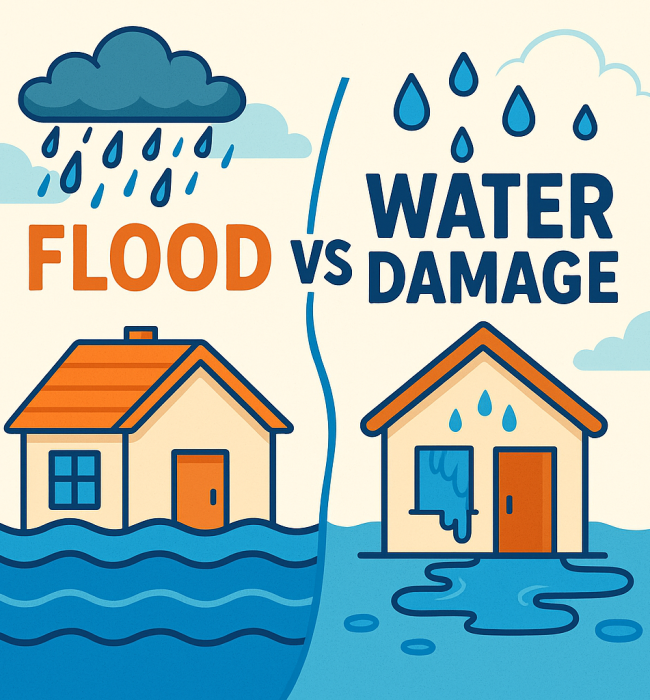
Water damage is typically covered under standard homeowners insurance policies. It refers to damage caused by water that enters your home before it touches the ground. Common causes include:
Appliance malfunctions (such as a broken washing machine or water heater)
Roof leaks from rain or snow
Overflowing toilets or bathtubs
This type of damage is considered “sudden and accidental” and is generally covered as long as the homeowner maintains the property responsibly and addresses issues in a timely manner.
What Is Flood Damage?
Flood damage, on the other hand, is defined as water that comes from a natural source and first touches the ground before entering the home. This includes situations like:
Flash flooding from heavy rain
Overflowing rivers, lakes, or streams
Melting snow that saturates the ground
Flood damage is not covered by standard homeowners insurance. Instead, you need a separate flood insurance policy, usually through the National Flood Insurance Program (NFIP) or a private insurer.
Why the Distinction Matters
Insurance providers distinguish between these two types of water-related damage for both risk and liability purposes. If you mistakenly believe your policy covers all water damage, you may be left without financial protection when disaster strikes.
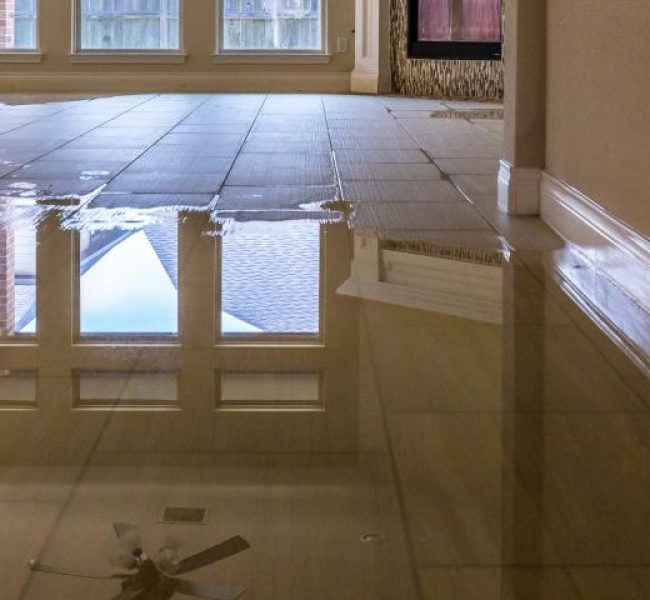
Imagine a scenario where heavy rain causes nearby water to seep into your basement. Even though it seems like a minor water issue, insurance will likely categorize this as flood damage, which is excluded under most policies unless you have a separate flood insurance plan in place.
Key Takeaways for Homeowners
To protect your property and avoid unpleasant surprises, here are a few action steps you should take:
Review your insurance policy: Know exactly what is covered and what isn’t.
Ask about exclusions: Don’t assume your standard policy includes flood protection.
Consider flood insurance: Especially if you live in a flood-prone or coastal area.
Document property condition: Keeping records of maintenance can support your claim if needed.
Understand your risk: Use FEMA flood maps to assess the likelihood of flooding in your area.
What to Do If You’re Unsure
If you don’t know whether your home is at risk or if your current policy includes adequate protection, talk to your insurance agent. A simple policy review can clarify what you’re paying for and identify any gaps in your coverage.
In Summary
Water damage and flood damage are handled differently by insurance companies, and this distinction can mean the difference between full coverage and no coverage at all. Don’t wait until you’re dealing with water in your living room to find out you’re underinsured. Understanding these definitions and preparing accordingly ensures you’re not caught off guard when it matters most.
RESTORE YOUR PROPERTY
We specialize in restoring both homes and businesses, employing expertise and dedication to help restore your property to its pre-disaster condition. If you’re in need of Mold Removal in Altamonte Springs, contact us today. We’re here to help!